UK Social Media Campaigners Among Five Denied US Visas
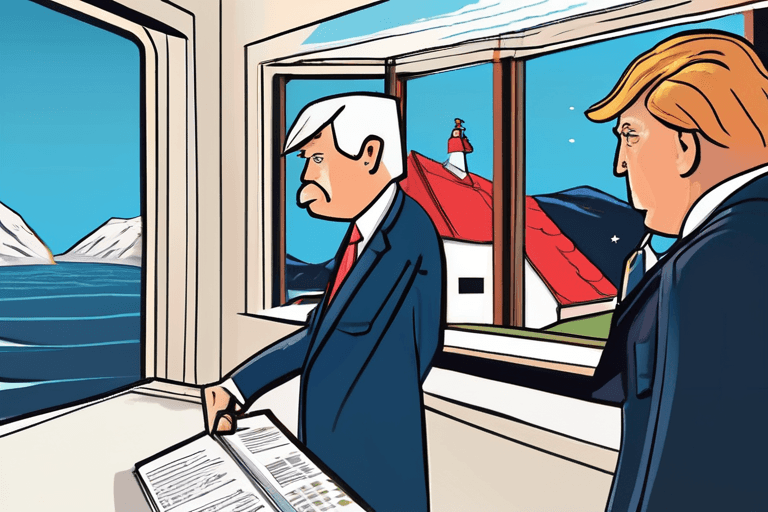
In a move that has sparked international concern, the US State Department has denied visas to five individuals, including two British social media campaigners, citing allegations of seeking to coerce American tech platforms into suppressing free speech. Imran Ahmed, the head of the Centre for Countering Digital Hate (CCDH), and Clare Melford, CEO of the Global Disinformation Index (GDI), were labelled "radical activists" by the Trump administration and banned from entering the US.
According to the State Department, the five individuals were denied visas due to their alleged attempts to influence American tech companies into suppressing free speech. The move has been met with criticism from European leaders, who have expressed concern over the implications of the decision. "This is a worrying development that undermines the principles of free speech and the open exchange of ideas," said a spokesperson for the European Union.
The other three individuals denied visas include a French ex-EU commissioner and two senior figures at a Germany-based anti-online hate group. The decision to deny visas to these individuals has been widely condemned by human rights groups, who argue that it is an attempt to silence critics of hate speech and disinformation online.
According to Imran Ahmed, the head of CCDH, the decision to deny him a visa is "a clear attempt to intimidate and silence critics of hate speech and disinformation online." Ahmed has been a vocal critic of social media companies and their role in spreading hate speech and disinformation online. "We will continue to speak out against hate speech and disinformation online, regardless of the obstacles we face," he said.
The Centre for Countering Digital Hate (CCDH) is a UK-based non-profit organization that has been at the forefront of efforts to counter hate speech and disinformation online. The organization has been critical of social media companies, including Facebook and Twitter, for their role in spreading hate speech and disinformation online.
Clare Melford, CEO of the Global Disinformation Index (GDI), has also been a vocal critic of social media companies and their role in spreading disinformation online. "We will continue to work to expose and counter disinformation online, regardless of the challenges we face," she said.
The decision to deny visas to these individuals has sparked concerns over the implications for free speech and the open exchange of ideas. "This is a worrying development that undermines the principles of free speech and the open exchange of ideas," said a spokesperson for the European Union. "We urge the US government to reconsider its decision and allow these individuals to enter the country."
The current status of the visas is unclear, and it is not known whether the individuals will appeal the decision. However, one thing is clear: the decision to deny visas to these individuals has sparked a heated debate over the role of social media companies in spreading hate speech and disinformation online.
In related news, the US State Department has been accused of politicizing the visa process, with some critics arguing that the decision to deny visas to these individuals is a clear attempt to silence critics of the Trump administration. However, the State Department has denied these allegations, stating that the decision to deny visas was based on the individuals' alleged attempts to coerce American tech platforms into suppressing free speech.
As the debate over the role of social media companies in spreading hate speech and disinformation online continues, one thing is clear: the decision to deny visas to these individuals has sparked a heated debate that will have far-reaching implications for free speech and the open exchange of ideas.






Discussion
Join 0 others in the conversation
Share Your Thoughts
Your voice matters in this discussion
Login to join the conversation
No comments yet
Be the first to share your thoughts!